 Education
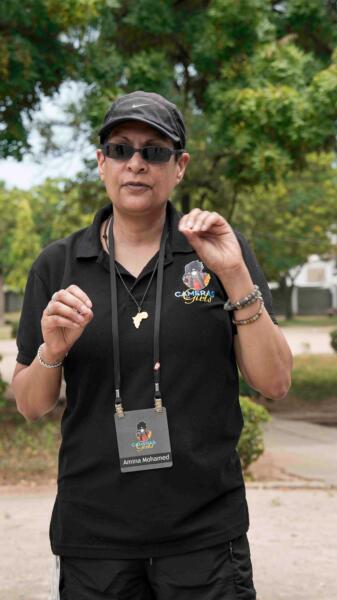
Q&A with Amina Mohamed
Joyce started by borrowing a camera to photograph small events. Now, she’s photographed heads of state.
The shift didn’t happen overnight. In the beginning, she had the training and the drive, but not the tools. Like so many young women trying to break into media, she was caught in a cycle that’s hard to escape. No camera meant no portfolio. No portfolio meant no paid work.
This graduate’s story isn’t unusual. It’s exactly the pattern Amina kept seeing.
On trips back to Uganda, Amina Mohamed met young women who were ready to work and eager to build careers, but locked out of the industry by something as simple, and as critical, as access to a camera. The talent was there. The opportunity was not.
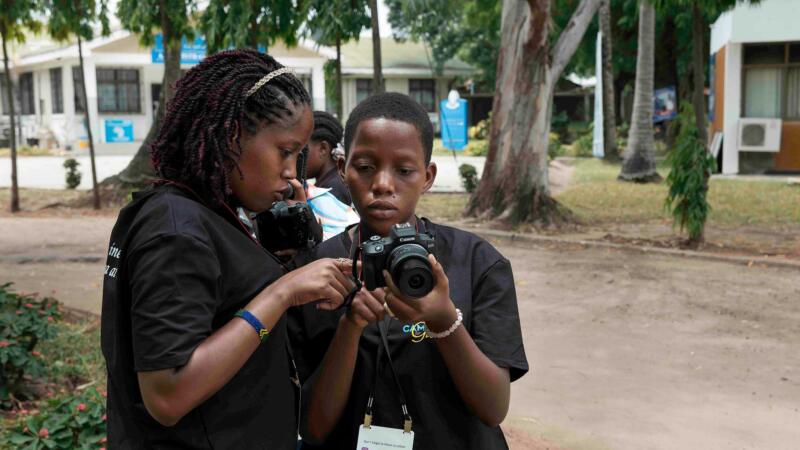
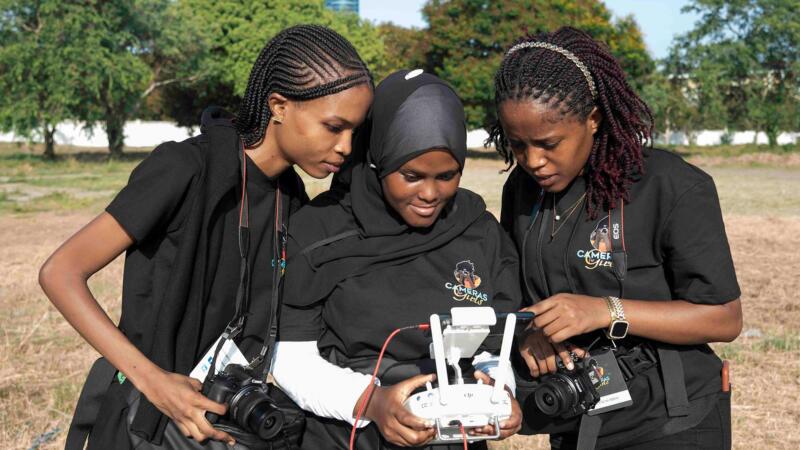
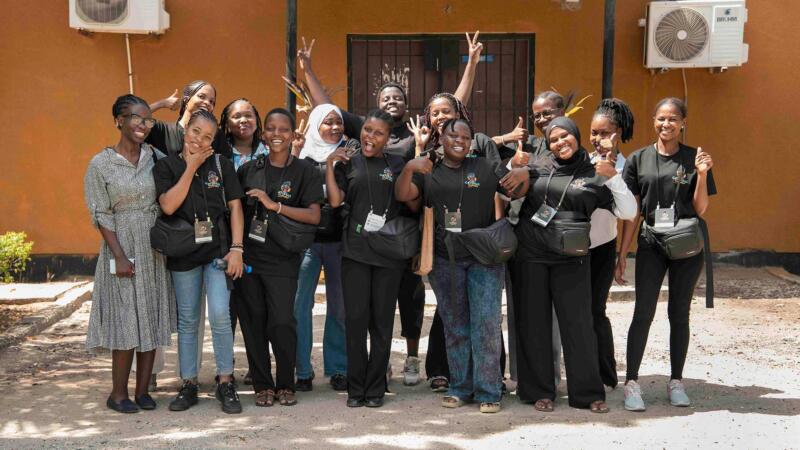
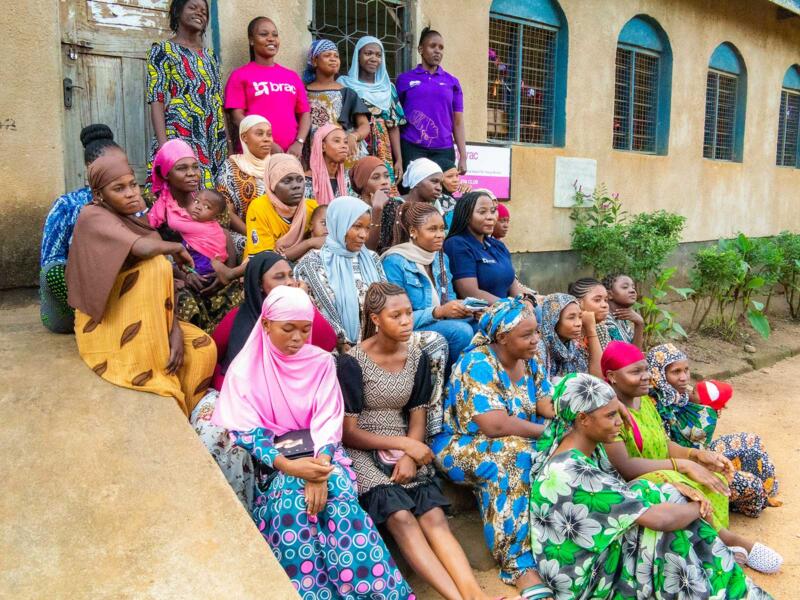
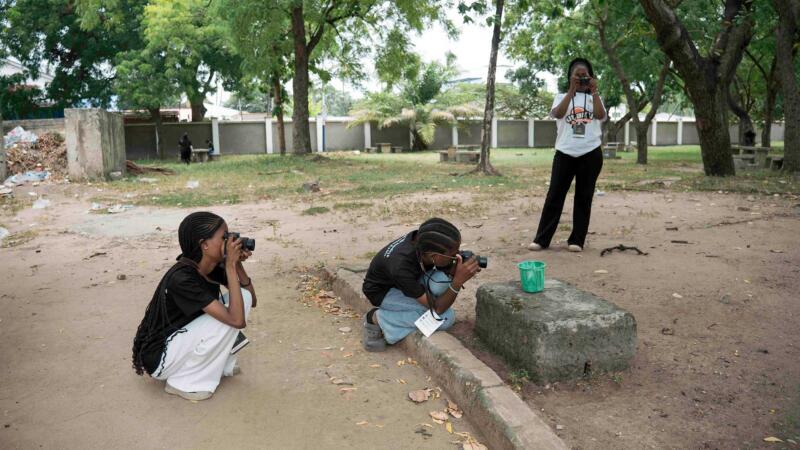
Cameras For Girls was built to change that. What started as a small, practical idea has grown into a program that equips young women with the tools, training, and support to turn potential into paid work, and in many cases, to come back and open doors for others.
:::::::
Founding the Organization
What inspired you to start Cameras For Girls? Was there a particular moment or experience that sparked the idea?
Cameras For Girls started after my first trip back to our birth country in 2007. We came to Canada as refugees from Uganda in 1972, after then dictator/President Idi Amin expelled all the Indian Ugandans with only 90 days’ notice. Having worked in the Canadian Film and Television industry, and facing gender-based challenges, I realized that what I knew and had experienced, could benefit young women in Uganda to gain the skills and tools they needed to succeed in male-dominated media. Cameras For Girls was never initiated with the goal to expand outside of Uganda, but then I realized that this issue was widespread and we are now also working in Tanzania and have a goal to expand to Kenya in 2026.
I kept meeting young women across Africa who had studied journalism or communications, had talent and ambition, but were completely locked out of paid work because they did not have access to equipment or real world experience. The camera was the gatekeeper. I had received my first camera as a child, and I knew how powerful that moment can be. There was no single dramatic moment, but rather a pattern I could not ignore. Talent was everywhere. Opportunity was not.
You had a successful career in photography and filmmaking. What made you shift from working in the industry to creating a nonprofit?
I loved my career, and still miss it today. However, I was married, never home, working 18-22 hours a day, and had to make a decision to stay or lose myself to this industry. I became a mortgage agent, and did that for 5 years, winning awards, making tons of money, and working with international investors. But the work had no creativity to it and in the back of my mind was the thought, “How do I take what I know, and pay it forward in Uganda?” So, in August 2017, I came up with the idea of CFG and in August 2018, we launched our first workshop. It was never my goal to start a nonprofit or charity, but it became a necessity if I was going to be able to grow and make an impact.
How did you go from an idea to actually launching the organization? What were the first small but crucial steps you took?
I started small and very practically. I reached out to the people I had met in 2007, on my first trip, and specifically Venex Watebawa, who was my fixer at the time. I told him what I wanted to do, and he suggested I should work with girls coming out of Journalism school. They had theoretical knowledge, but no skills or tools like a camera, which was and still is a gender-based barrier to employment. Women are told they must own and know how to use a camera to get paid work, while males are not.
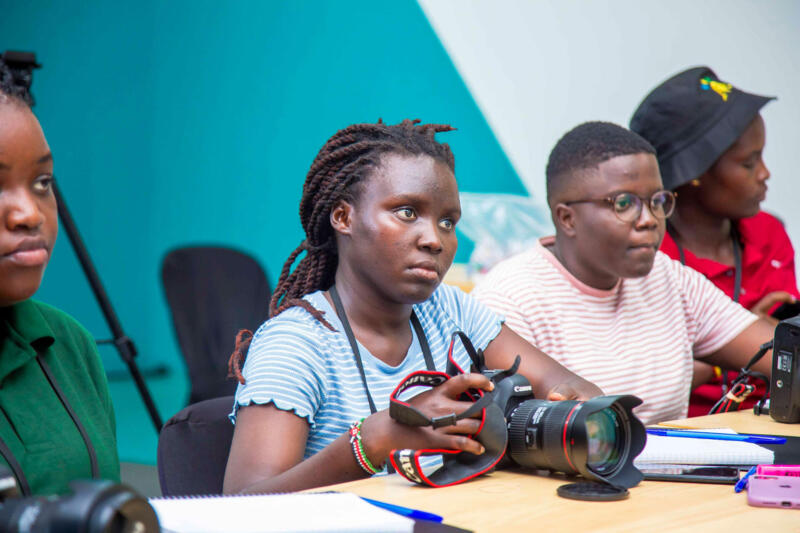
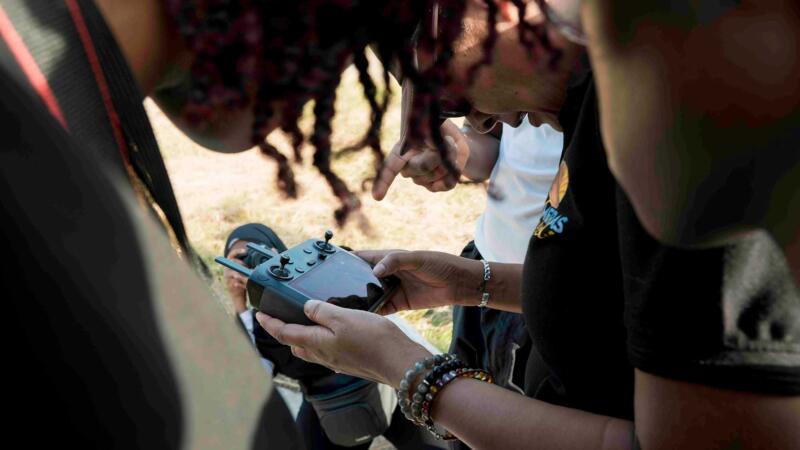
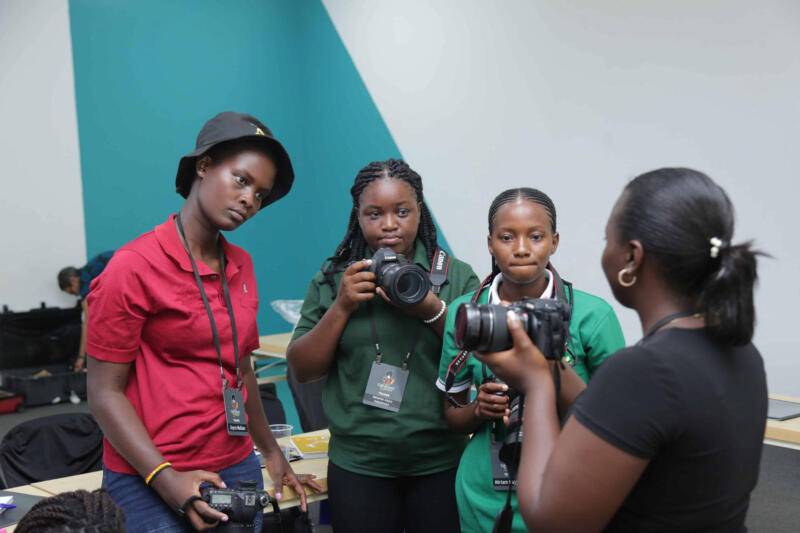
I bought or asked for donations of small cameras. I created a basic curriculum. I ran one workshop. I did not wait for perfect funding or permission. I tested the idea, listened deeply to the women I was teaching, and adjusted quickly. Those early steps mattered because they proved the need was real and the model worked.
Challenges and Growth
What were some of the biggest challenges you faced when starting Cameras For Girls, and how did you overcome them?
Funding was and still is the hardest part. There is also a constant tension between doing the work and explaining the work to people far removed from the context. I overcame this by staying close to the women we work with and let the results speak for themselves. When students started getting jobs, the story became harder to ignore.
Your organization has grown from Uganda to Tanzania and aims to reach 30,000 women across Africa by 2030. What do you think has been the key to scaling your impact?
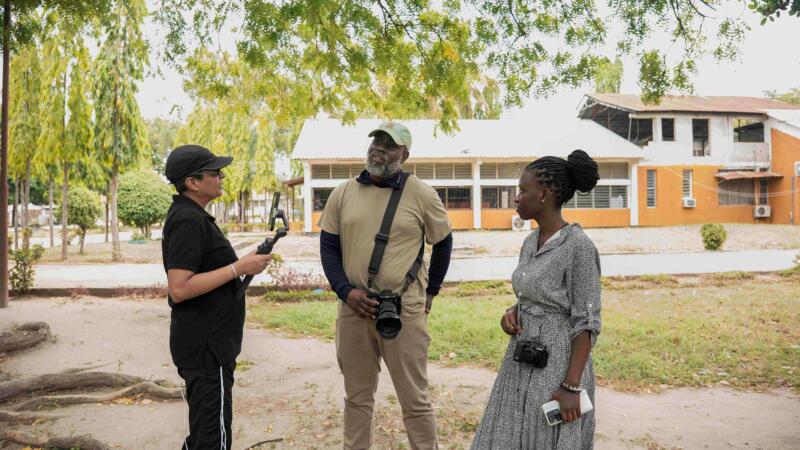
Local leadership and trust. We do not parachute in. We work with universities, local trainers, and former students who become mentors. Growth only works when the people closest to the problem are leading the solution.
Many social impact projects struggle with funding. How did you secure financial support in the early days, and what keeps the program sustainable now?
Early on it was Go Fund Me, and then it became – and still is – individual donors who believed in the idea before it had a name. Today, sustainability comes from diversification: monthly donors, partnerships, in-kind equipment donations, and a strong focus on job creation rather than charity. We are building systems, not dependency.
Impact and Storytelling
Can you share a success story of a student whose life changed because of Cameras For Girls?
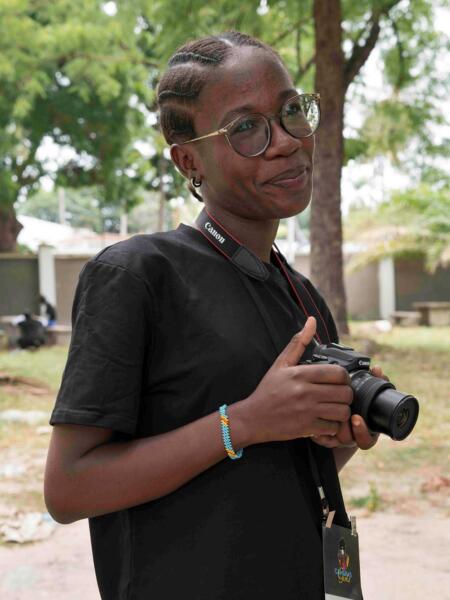
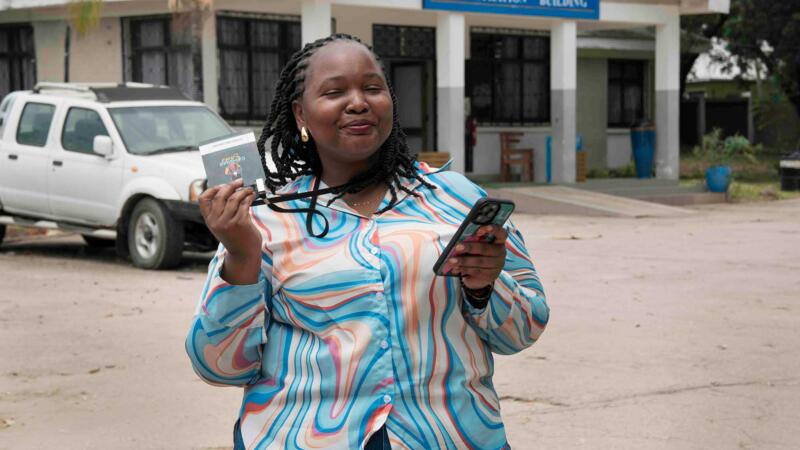
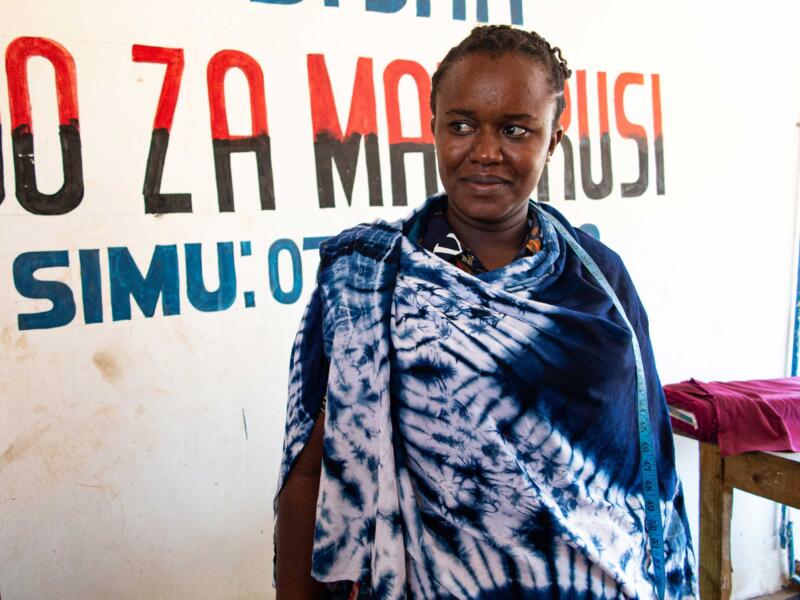
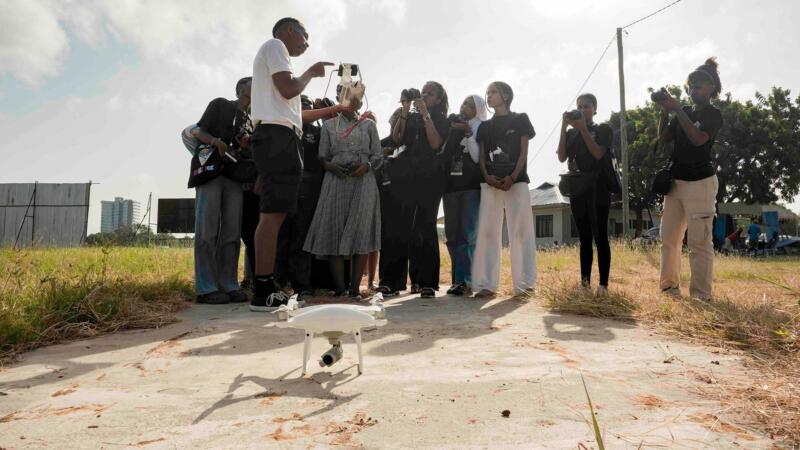
One of our graduates went from borrowing a camera to photograph small events to being hired by a national media house and later photographing heads of state. What matters most to me is not the title, but the confidence shift. She now trains other women and negotiates her rates without apology.
Ethical storytelling is a big part of your program. Why is this important, and how does it differ from traditional photojournalism?
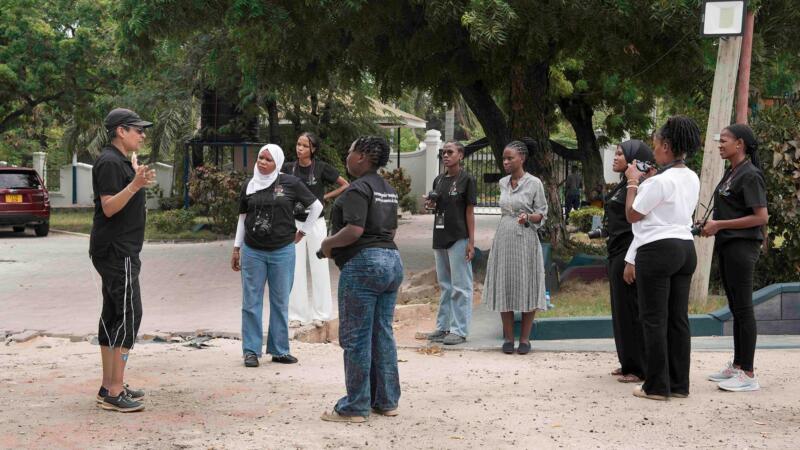
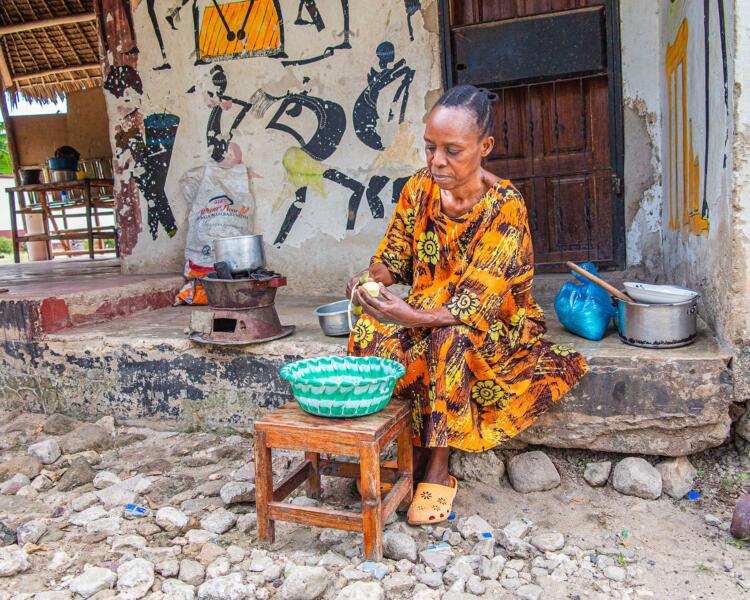
Ethical storytelling asks who benefits from the story and who holds the power. Too often, images from Africa are extracted without consent or context. We teach permission first, dignity always. Our students learn that access does not equal entitlement. They also learn how to tell stories of their communities with members of the society. This is so critical when you are a young woman working with a camera – something that most cultures still don’t see as a valuable skill until that girl is able to earn an income and change how her family, and community see her differently. She is now equally contributing to the community and the household.
Your students not only learn photography but also business and networking skills. Why was it essential to include these aspects in your program?
A camera alone does not pay rent. Women are often taught skills but not how to price them, pitch them, or protect themselves professionally. Business skills turn talent into income. Without them, the cycle of exclusion continues. It also openly creates the negative cycle of exploitation. By teaching these valuable skills, the girls can now work for fair pay and not only opportunities, disguised as experience.
How People Can Support the Mission
Besides equipment donations, what are other ways people can support Cameras For Girls?
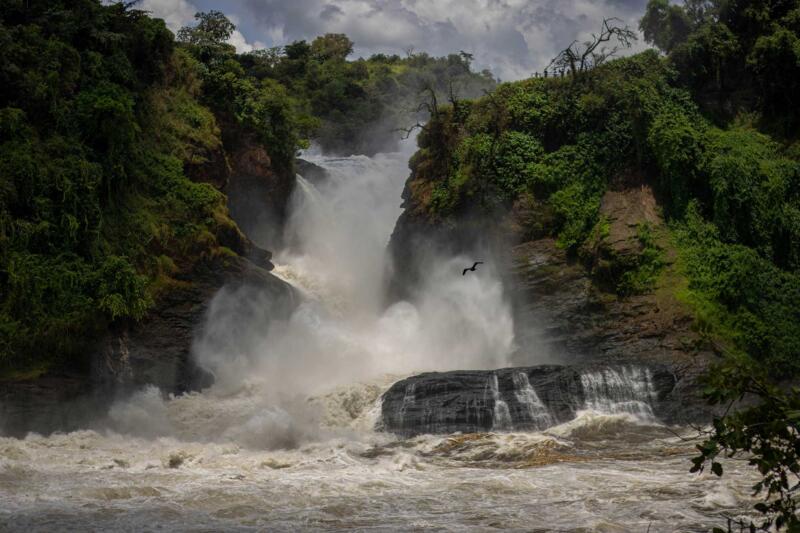
Support goes far beyond equipment. Monthly giving is one of the most powerful ways people can help because it allows us to plan, grow, and stay accountable to the women we work with across Africa. It also allows us to be sustainable with proper marketing, and paying for extra support, such as fundraising, grant writing, copywriting and advertising – things normal in the for-profit world, but difficult to explain the need for in the nonprofit world. Corporate partnerships also play a critical role, whether through sponsorship of our workshops, paid assignments for our graduates, or long-term collaboration that values local talent.
Opening doors matters more than people realize. Making introductions to media houses, communications teams, or decision makers creates real pathways to paid work. Sharing our work within personal and professional networks helps shift who gets seen and trusted. And hiring our graduates, commissioning their work, or recommending them for opportunities is one of the most direct ways to support our mission. Access creates momentum, and momentum changes lives.
You work with volunteers and mentors from Canada and other countries. What kind of skills or expertise do you look for in volunteers?
We look for people who lead with respect and curiosity. Technical skills in photography, storytelling, editing, marketing, or business are valuable, but they are not the most important thing. What matters most is the ability to listen, to teach without ego, and to understand that local context always comes first.
Our best volunteers are reliable, patient, and committed to ethical practice. They show up consistently, follow through on what they promise, and understand that this work is about supporting women to build their own careers, not about being the hero in the story. Volunteers who see themselves as collaborators rather than experts tend to have the greatest impact.
Looking ahead, what’s your biggest dream for Cameras For Girls, and how can people be a part of making that vision a reality?
My dream is that our graduates are no longer the exception in media spaces. I want women across Africa to be paid fairly, credited for their work, and safe while doing it. I want them to be seen as professionals, not as rare success stories.
To make that possible, Cameras For Girls has to grow beyond survival mode. We need to build the capacity that allows the work to scale responsibly. That means being able to pay for minimal staff, including leadership, fundraising and marketing support in Canada, and a country manager and monitoring and evaluation lead in Uganda. These roles are not overhead. They are the backbone that allows programs to run well, partnerships to last, and impact to be measured and improved.
People can be part of this vision by investing long term, not just emotionally, but structurally. Through monthly giving, corporate partnerships, and strategic support that strengthens the organization itself, supporters help create lasting pathways to paid work for women. When the systems are strong, the impact becomes sustainable.
Advice for Aspiring Changemakers
What advice do you have for someone who wants to create a social impact project?
Start where you are. Solve one real problem well. Do not rush to scale before you truly understand the work and the people most affected by it.
And do not assume the first step is starting a nonprofit. Look around and see if an organization already exists that is doing the work you care about. Joining, strengthening, or collaborating with an existing effort can often create far more impact than building something new from scratch. There are many ways to contribute to change, and leadership does not always mean being the founder.
Partnership and collaboration should come before ego. When organizations compete for the same dollar instead of working together, the mission suffers. Real impact happens when people focus less on ownership and more on outcomes.
What are some common misconceptions about starting a nonprofit or working in global development that you’d like to dispel?
One of the biggest misconceptions is that passion is enough. It is not. Passion might open the door, but this work requires strategy, consistency, and a willingness to navigate uncertainty. It involves long timelines, difficult decisions, and accountability to the people you work alongside, not just to good intentions.
Another misconception is the idea that communities in the Global South are lacking solutions. In reality, the knowledge, leadership, and ideas already exist. What is often missing is equitable access to resources, networks, and decision-making power. Meaningful work happens when local leadership is respected, when people are trusted as experts in their own lives, and when collaboration replaces assumptions.
Leadership
What lessons have you learned about leadership through this journey?
Leadership is not about visibility. It is about responsibility. Over the years, I have learned that real leadership often looks like listening more than speaking, creating space for others to lead, and making decisions that protect the mission even when they are not the easiest ones.
My leadership journey has been shaped deeply by learning communities like Vital Voices and, more recently, the Women Impact Alliance. These spaces challenged me to lead with clarity, courage, and accountability while staying rooted in values. They reinforced that leadership is not about control, but about stewardship. Staying grounded in purpose matters most, especially when funding pressures or external expectations try to pull you off course.
ACTIONS
- Donate: Send in your old camera or give a monthly donation to equip young women in Uganda and Tanzania with the tools, training, and business skills to turn talent into paid work. A monthly gift of any size helps fund workshops, mentorship, and the organizational backbone that keeps the program running. https://www.camerasforgirls.org/ways-to-give
- Watch: Spend 3 minutes watching Amina’s story – From Exile to INpowerment, My Journey Back to Uganda – A digital story by Amina Mohamed.
- Watch: Spend 15 minutes with a photographer who changed how the world sees Africa. Zanele Muholi is a South African visual activist whose work centres Black women, queer communities, and people often erased from mainstream media. Watch Zanele Muholi in “Johannesburg” to learn about how they use photography as a form of activism. https://www.youtube.com/watch?v=wmFo4jYGFEo
- Act: The next time you need a photographer, hire someone from an underrepresented community. Browse directories like Diversify Photo or Authority Collective to find non-western, BIPOC, and visual creatives in the global visual media landscape. https://diversifyphoto.com/
 Identity
 Health