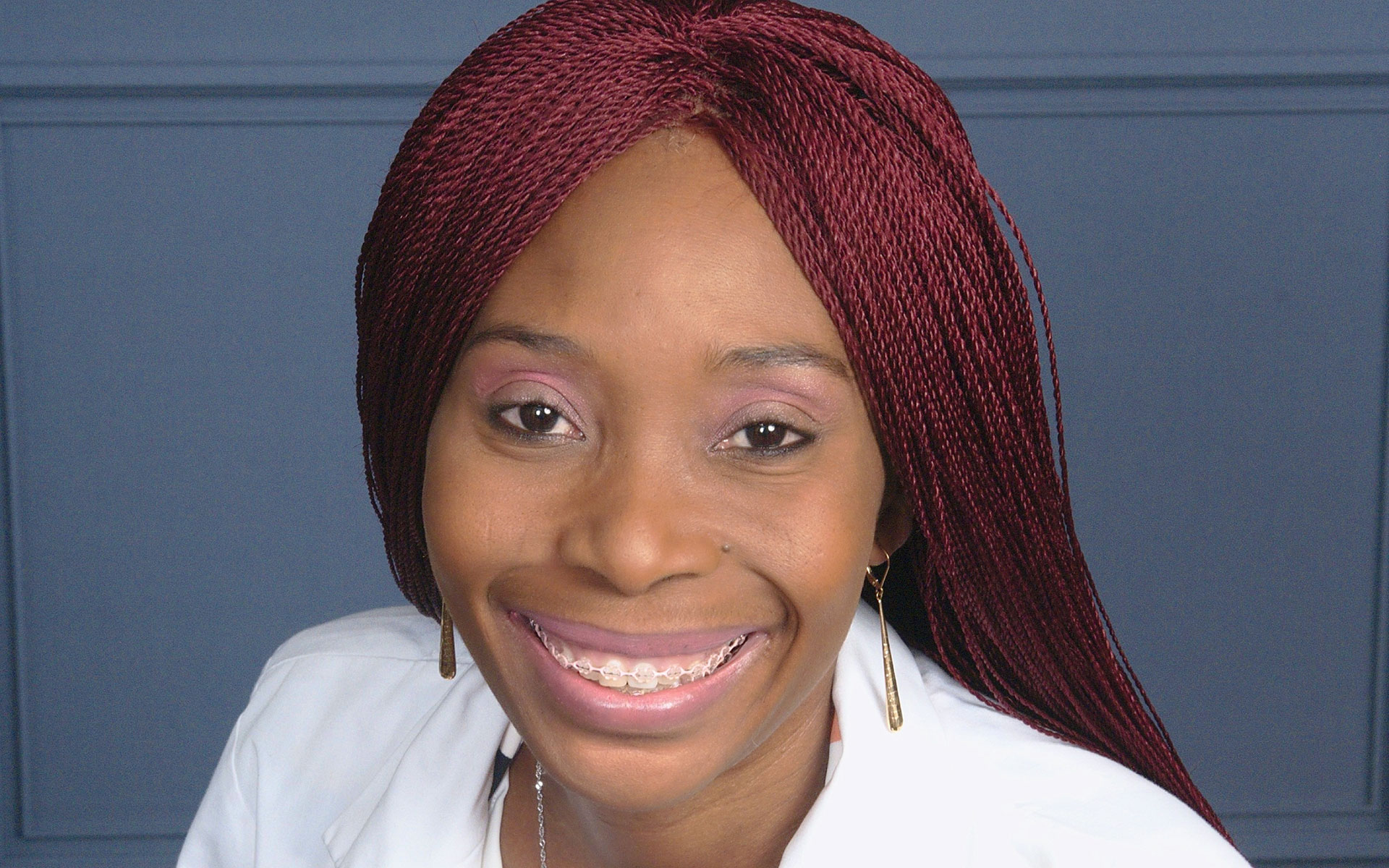
Interview with Dr. Lola Ohonba

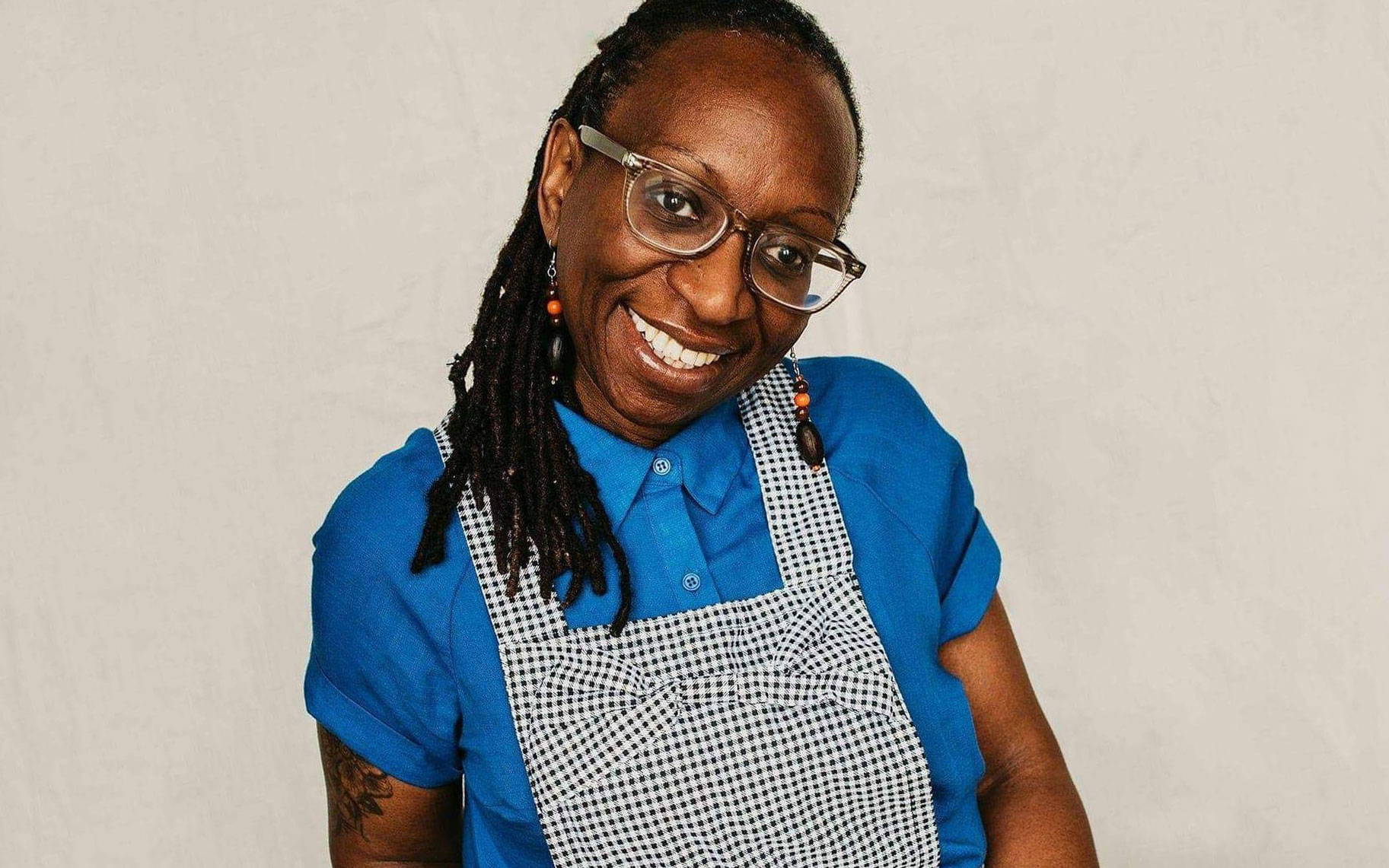
Dr. Lola Ohonba (aka Dr. O) is a public speaker, educator, and the founder and CEO of WCI Health LLC, an alternative health and wellness company that makes GLOZE CBD-infused products. She is a clinical pharmacist and, having used medicinal herbs while growing up in Nigeria, is passionate about plant medicine and its potential to help humanity. She is the host of the podcast Let’s Talk Plant Medicine: Cannabis, Psychedelic & Pharmaceutic with Dr. O. and the author of A Pharmacist’s Guide to Cannabis: Perspectives of a Non-Conformist Clinician, available on Amazon and wci-health.com. Dr. O works with clients who are interested in using plant-based medicines to live well and save on healthcare costs. As a Black woman living with physical disability, Dr. O is passionate about the issues affecting the ‘forgotten’ in our communities, including BIPoC, 2SLGBTQ+ people, veterans, and people with disabilities. Dr. O is active on social media and accepts invitations to collaborate, consult, and speak.
How did you get into the cannabis business?
Plant medicine has always been part of my life, even before I became a pharmacist. I was born in the western part of Africa (Nigeria) where herbal medicines have always been the first line of therapy in managing most disease states. I had polio as a child, which left me with a physical disability. To manage the phantom and nerve pain, I began using cannabis and learning more about how the plant works.
As a clinical pharmacist, I take my Hippocratic Oath of “do no harm” very seriously. Legal changes in the United States meant we began to see CBD everywhere with little to no guidance on how people should use it. That’s when I went fully public with my plant medicine educational platform, WCI Health LLC (Alternative Health & Wellness Hub) and GLOZE, my CBD-infused product line. My goal is to provide people with jargon-free information and evidence so they can make informed decisions about their health and well-being, and to provide high-quality affordable cannabis products that customers will be proud to use.
My highlight so far is seeing the ways people are working to normalize cannabis, bring more awareness of its medicinal properties to light, and advocate for social justice in the cannabis space.
What challenges do BIPoC face in the cannabis industry?
My main issue is that minorities, especially Black women, are still not being represented at the table. When I look at the faces at educational conferences, not just for cannabis, but psychedelic spaces as well, it’s just unacceptable. Take a look at most of the conferences going on at the moment, we barely see up to three Black women in a lineup of more than 50 speakers. When it comes to people living with disabilities, representation of that community is totally non-existent. This is really sad. My aim is to continue to get out there and make all voices heard regardless of race, gender, sexual orientation, or so-called ‘ability status.’
How can the cannabis industry promote and celebrate diversity?
Cannabis businesses need to acknowledge that the industry was built on the backs of minorities, especially BIPoC. Governments needs to admit that the “war on drug” is a total failure; and begin to right the wrong done to the minority communities by removing ALL the roadblocks that’s making it difficult to, not just own a cannabis business, but even get a basic job due to criminal backgrounds resulting from unjust laws. A lot of our people are still locked-up in prisons for various cannabis/ drug related offenses, while predominantly white males and “Big Pharmas” are making millions of dollars every day from the same plants. There’s absolutely nothing wrong with capitalism; I’m a capitalist myself. Also, this discussion is not about ‘Black against white’, because that’s what those in power would have us believe. Instead, it’s divide and conquer’ for their own political agenda. This discussion is about justice. An injustice to one is an injustice to all regardless of the colour of your skin.
— Find out more about Dr. Lola Ohonba’s work

 Identity
 Health